

Fractional CISO vs BISO: What's the Difference?
Organisations are becoming increasingly aware that information security requires executive ownership. The question is no longer whether security leadership is…
The Insights library combines leadership perspectives with practical governance guidance developed through real-world executive responsibility.
Some articles explore recurring challenges in technology, cyber security and organisational leadership. Others provide frameworks that can be applied directly during board discussions, audit preparation, regulatory reviews and business change initiatives.
Together they help leaders navigate complexity, clarify ownership and strengthen organisational resilience.
Insights focus on technology leadership, cyber security governance, operational resilience, risk management, regulatory readiness and executive accountability.
They are written for founders, CEOs, board members, technology leaders and executives responsible for managing organisational risk, growth and operational change.
Some articles discuss technical subjects, but they are written through an executive lens. The focus is on business impact, governance and decision-making rather than technical implementation.
Insights explore leadership challenges, governance considerations and recurring patterns observed across organisations. Resources provide practical frameworks, reference materials and governance tools designed for direct use.
New insights and resources are published periodically as new regulatory developments, governance challenges and executive leadership topics emerge.
Yes. Many articles and resources are designed to support executive conversations around accountability, cyber security oversight, technology investment, operational resilience and regulatory expectations.
Fractional CISO vs BISO: What's the Difference?

There's a Hole in My Bucket… Umm, Repository

UK Cyber Security Bill 2026: New Rules
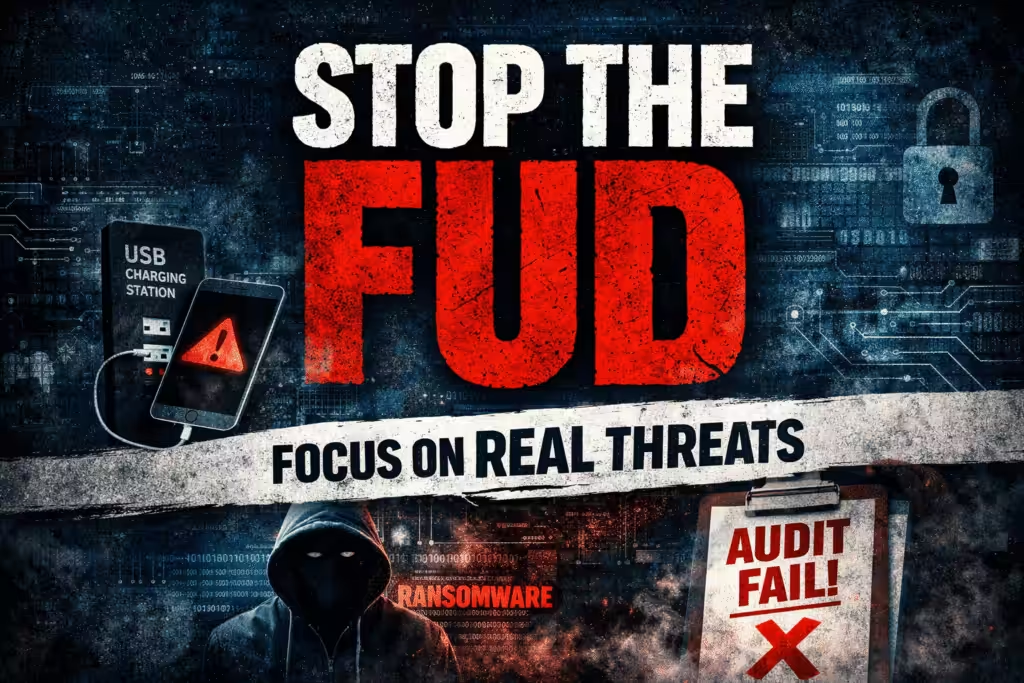
Juice Jacking is Not Your Primary Risk
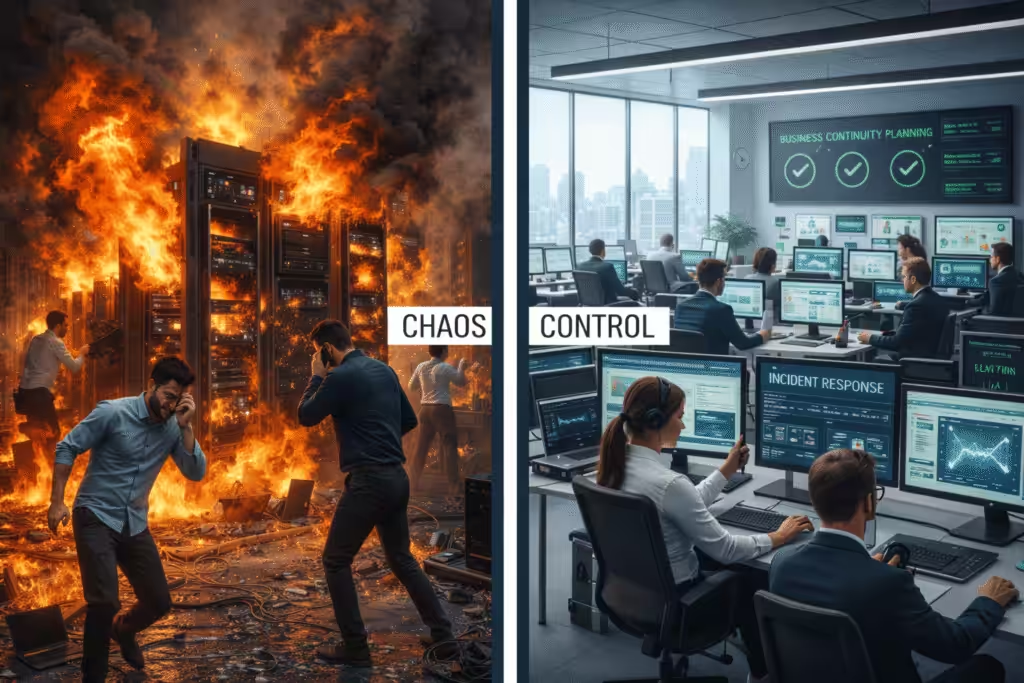
Testing the BCP and IR Deficit
When did you last test your BCP and incident response plans? Discover 5 crucial reasons why regular testing is vital for business resilience and survival.

AI governance is not a technical problem
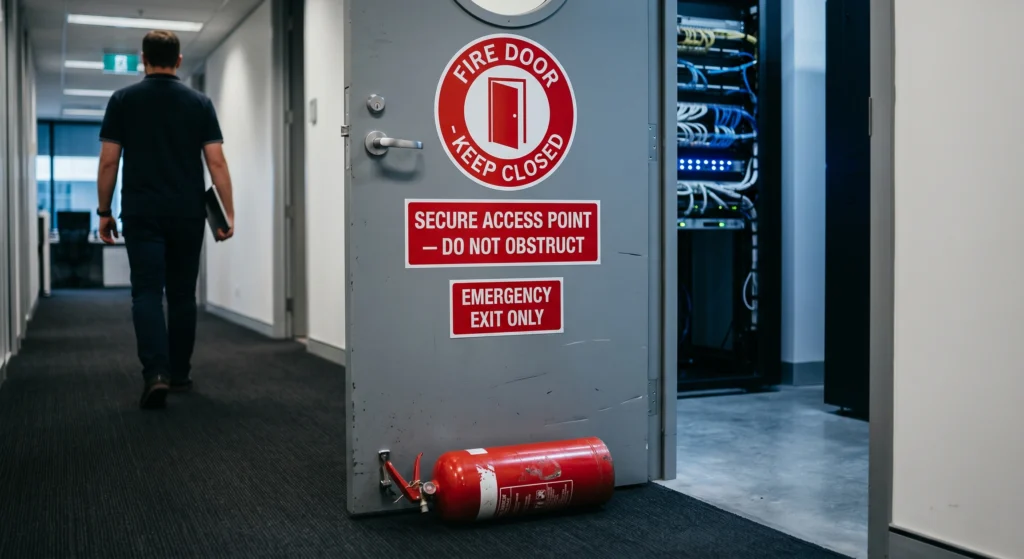

C Suite - Where Responsibility Overlaps and Risk Emerges

Board assurance for cybersecurity

Decision ownership in technology and security

Structural CISO pain points and how they are resolved
A confidential discussion focused on:
✓ Risk
✓ Governance
✓ Accountability
✓ Resilience
✓ Board assurance
✓ No obligation
✓ No selling
✓ Focused on your priorities