Introspective is a cumulative record of experience. It is a rejection of industry noise in favor of structural reality.
Security often drifts from engineering discipline into narrative. Risk becomes something that is described rather than managed. Low-probability scenarios are elevated because they are easy to communicate, while the conditions that lead to actual compromise remain unaddressed.
This collection identifies that drift.
It is the result of looking inward at how decisions are made, where ownership fails, and how exposure accumulates. It provides the practitioner's lens and the structural tools required to move from visible activity to actual control.
I distinguish between two modes of documentation: Theory and Reference.
Theory (Insights) examines the recurring patterns and structural failures I have observed across multiple businesses. These provide the context for understanding why technology and security problems persist despite competent execution.
Reference (Resources) provides durable protocols designed for immediate use in board discussions, audits, and high-stakes sessions. While Theory supports the thinking, Reference provides the tactical language and tests required when decisions must be defended or owned.
My documentation focuses on the intersection of technology, security, and governance:
-
Executive Governance: Board-level assurance and regulatory readiness (FCA/SEC).
-
Structural Accountability: Defining decision rights and risk ownership.
-
Operational Resilience: Engineering challenges under growth or scrutiny.
-
Leadership Dynamics: Examining the conditions under which technical execution fails due to misaligned incentives.
I have designed these materials for selective, non-sequential use. They are curated for moments of high pressure, such as preparing for a board meeting, responding to audit findings, or navigating business change.
Use Theory to challenge assumptions about your current governance.
Use Reference to provide shared language during high-stakes conversations and to surface structural issues before they escalate.
If a document clarifies ownership or enables a more defensible decision, it has served its purpose.
This collection exists specifically for Founders, CEOs, Board Members, and Senior Technology Leaders.
I have a sophisticated understanding of business decision-making, and use this to strip away the technical noise in order to focus on material consequence. These frameworks are for leaders evaluating whether their existing structures remain fit for purpose in scaling or highly regulated environments.

There's a Hole in My Bucket… Umm, Repository

UK Cyber Security Bill 2026: New Rules
Juice Jacking is Not Your Primary Risk
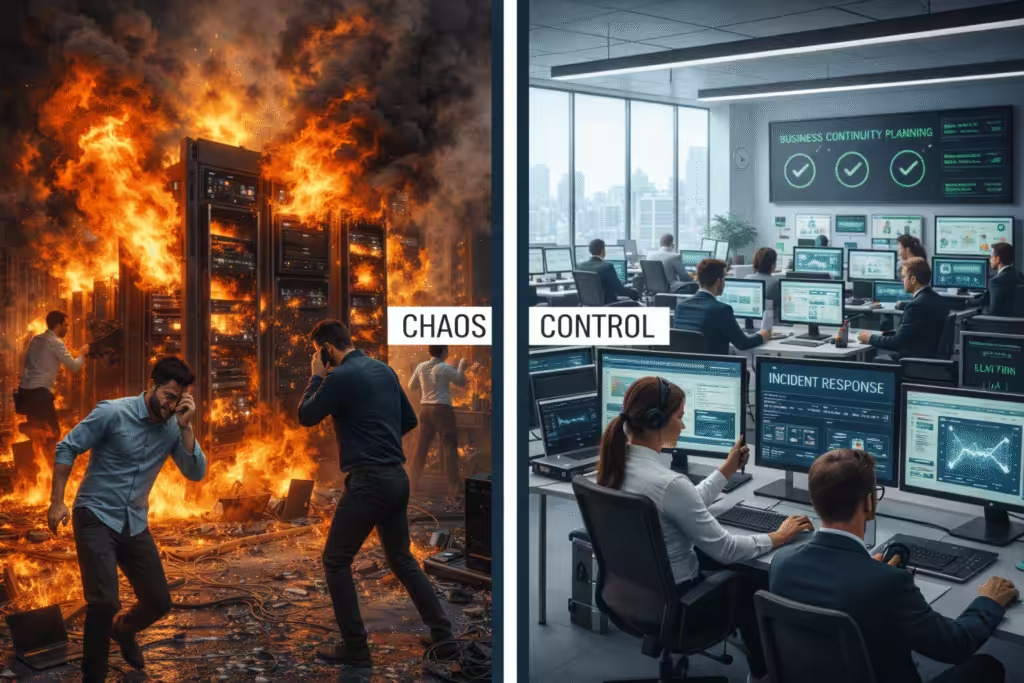
Testing the BCP and IR Deficit
When did you last test your BCP and incident response plans? Discover 5 crucial reasons why regular testing is vital for business resilience and survival.

AI governance is not a technical problem

The Limits of MFA and Password Security
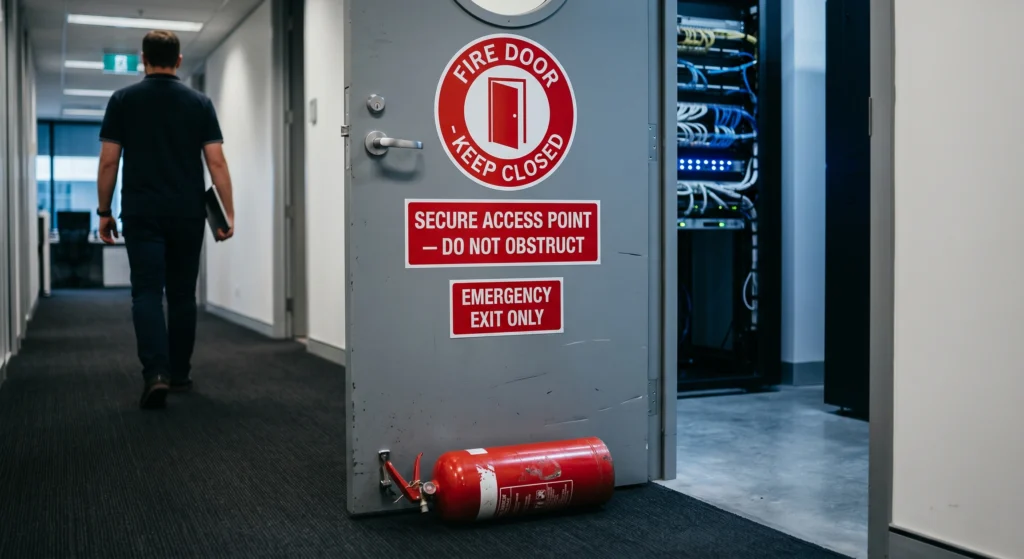

C Suite - Where Responsibility Overlaps and Risk Emerges

Board assurance for cybersecurity

Decision ownership in technology and security

Structural CISO pain points and how they are resolved